
Starting and growing a business in Malaysia is both exciting and challenging. Many Malaysia business owners face hurdles in managing day-to-day operations, expanding their ventures, or covering urgent expenses. A SME loan Malaysia can provide the necessary financial support to overcome these challenges.
You may require a working capital loan to keep things running smoothly, a business expansion loan to increase the number of people or add facilities, or even access to custom-made SME financing deals, it is important to know what you are entitled to. The appropriate business loan Malaysia will keep your business afloat financially and at the same time prevent the unnecessary debts, making you a long-term success.
What Is an SME Loan in Malaysia and Why Do Businesses Need It?

A SME loan Malaysia is a form of funding that is used to assist businesses to finance their costs such as equipment acquisition, payroll and inventory. A large number of Malaysia business owners rely on the loans to sustain operations and expand. In the absence of this capital, the enterprises are likely to encounter cash-flow solutions to the SMEs problems, sluggish growth, and opportunity costs. The SME financing packages provided by banks in Malaysia are also both working capital loan and business expansion loan.
In the case of startups and small businesses, a startup business loan Malaysia could give the startup business the financial impetus to get through the initial critical years. Banks consider your business plans, revenues and credit history. Others are SME Bank Malaysia which offers small business loans in Malaysia specially designed to meet the requirements of new and developing businesses. The selection of the correct loan will depend on the requirements and the nature of financing that you are comfortable with, traditional or halal financing of Malaysian SMEs.
What Makes Islamic SME Financing Different From Conventional SME Loans?
Key Shariah Principles That Make Islamic Financing Halal
The Malaysian Islamic SME financing is organized in a manner that is in line with the Islamic law. It does not involve interest otherwise referred to as riba, and employs contracts including Tawarruq financing, Murabahah financing, and Ijarah. These are such ways that its business loans are Shariah-compliant financing, which provides ethical sustenance to its entrepreneurs. The key premise is equity: banks and borrowers will equally share risks rather than hiding their interests at a fixed interest.
For example, in a Murabahah financing setup, the bank buys equipment and sells it to the business at a marked-up price. Payments are structured over time, and the profit rate Malaysia replaces traditional interest. This system ensures that all transactions are halal business loans and suitable for Muslim business owners seeking ethical financing options.
Why Islamic Financing Avoids Riba (Interest)
The key reason Islamic financing Malaysia avoids riba is to keep all transactions ethical and Halal. Conventional bank loans in Malaysia often involve interest charges that can increase debt burden, while Islamic banking products focus on profit-sharing. The risk is shared, not transferred entirely to the borrower.
This system ensures transparency and avoids hidden fees. If you are wondering “is SME loan halal or haram”, Islamic SME financing is designed to solve this concern. Many Malaysia business owners choose this path because it provides safe financing options for new businesses while maintaining compliance with Shariah principles.
Is an SME Loan in Malaysia Halal or Haram? Clear Shariah Explanation
When a Loan Becomes Non-Halal
A conventional SME loan Malaysia may be non-halal if it charges fixed interest. When business loans become non-halal, it violates Shariah law due to riba, which is prohibited in Islam. Fixed interest loans often place the burden on the borrower entirely, creating ethical financing for entrepreneurs concerns.
Many Malaysian business owners question “how Islamic business financing works” compared to conventional loans. Islamic options replace interest with a profit rate Malaysia, creating a lawful alternative that ensures transactions are fair and ethical. This difference is important when deciding between SME financing packages for growth or cash-flow support.
Why Islamic SME Financing Is Shariah-Compliant
Islamic banks such as SME bank Malaysia or Islamic bank Malaysia offer small businesses financing that are Shariah compliant. To make ethical payments, they resort to Tawarruq financing and Murabahah financing. The bank does not make a profit based on the interest, but through terms agreed upon.
By choosing Islamic SME financing Malaysia, businesses gain access to halal funding for Malaysian SMEs while staying compliant. This makes it an ideal choice for business owners seeking interest-free business financing solutions without risking riba violations.
How Profit Rate in Islamic SME Financing Works Compared to Interest
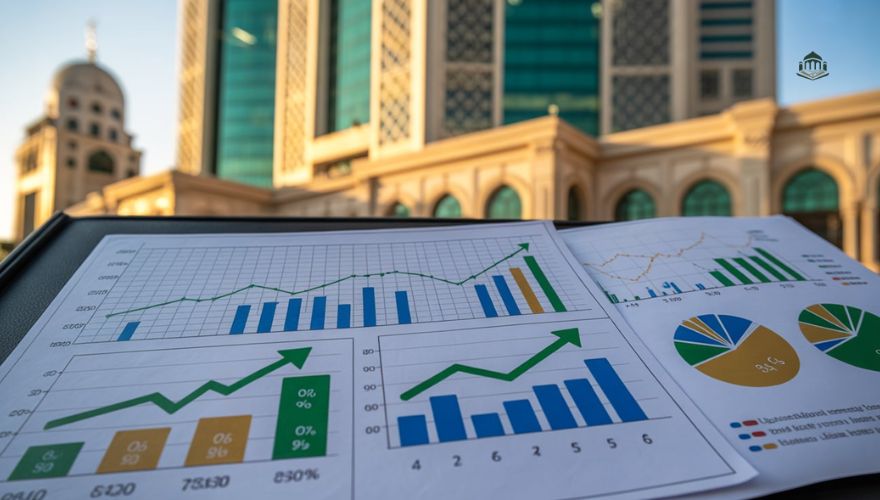
In Islamic SME financing Malaysia, the profit rate Malaysia is the cost the borrower pays over the principal, similar to interest but compliant with Shariah law. The calculation depends on the contract type, whether Murabahah financing for assets or Tawarruq financing for cash needs.
How Profit Rate Is Calculated
For example, if a business borrows RM100,000 for equipment under Murabahah, the bank sells it at RM110,000 payable over 24 months. The RM10,000 is the profit rate, replacing conventional interest. This ensures ethical financing for entrepreneurs and a clear understanding of repayment.
The Main Difference between Profit Rate and Interest
Unlike traditional loans, profit rates are agreed upfront and fixed, without compounding interest or hidden charges. Conventional business loan Malaysia interest can increase unpredictably if repayments are late, but Islamic financing stays transparent.
This difference answers questions like “profit rate vs interest explanation” and shows why Islamic SME financing better for business planning. For startups and growing SMEs, this clarity ensures safe financing options for new businesses.
Which Type of SME Financing Solves Cash-Flow Problems Faster?
Conventional bank loans are often faster in approval but may include strict repayment schedules and higher interest. Islamic SME financing can take slightly longer due to compliance checks but provides cash-flow solutions for SMEs that are ethical and flexible.
Business owners must weigh speed versus compliance. If immediate cash is critical, a working capital loan through a conventional bank may be tempting. However, for long-term stability, Islamic SME financing Malaysia ensures interest-free business financing without compromising ethics.
Eligibility Requirements: SME Loan vs Islamic SME Financing in Malaysia
Minimum Documents Required
In the case of conventional SME loan Malaysia, the banks normally demand business registration, financial statements and bank records. These documents are also requested by the Islamic banks but in addition to financing applications, they also require evidence of Shariah compliance.
Business Age and Revenue Requirements
Eligibility varies. A minimum of 2 years of operation is also required as well as a minimum revenue requirement in many banks. The Islamic banks could offer better conditions to startups that need startup business loan Malaysia to enable them to finance small businesses legally and ethically.
Which Is the Better Solution to Small Startups and Low Revenue?
The conventional business loan Malaysia approvals may be a challenge to startups because of the low revenue or credit history. Islamic financial institutions can provide funding of low income companies on the basis of profit-sharing schemes, and moral audits.
In selecting the best financing to start ups in Malaysia, access, risk and compliance should be balanced. Halal funding of Malaysian SMEs can be easily administered by many new entrepreneurs and still abide by the Shariah law through Islamic SME financing Malaysia.
Business Expansion Needs: Islamic Financing or Conventional Loan?
When planning a business expansion loan, conventional options may allow faster disbursement. However, Islamic financing Malaysia ensures ethical growth without riba. SME Bank Malaysia and other Islamic banks provide packages for purchasing assets, hiring staff, and opening new branches, ensuring ethical use of funds.
For Malaysia business owners aiming for long-term stability, Shariah-compliant financing ensures transparency in repayment and shared risk, reducing stress and safeguarding business ethics.
Common Problems SMEs Face and How Islamic Financing Provides Solutions
How Islamic Financing Prevents Debt Traps
Many SMEs fall into interest-heavy debt cycles. Islamic financing replaces this with profit-rate Malaysia, ensuring the business knows exactly what it owes and avoids spiraling debt.
Why It Offers Safer Cash-Flow Support
Ethical structures like Tawarruq financing and Murabahah financing allow small business funding Malaysia without unpredictable interest hikes. Cash-flow remains manageable, providing safe financing options for new businesses while keeping operations Halal.
Which One Offers Lower Risk for New Business Owners in Malaysia?
For new entrepreneurs, conventional SME loan Malaysia carries risk if repayment schedules are strict. Islamic SME financing Malaysia reduces risk with profit-sharing and fixed terms. The risk is shared, making it a safer option for startups and small enterprises.
This answers the common query “which loan is lower risk for SMEs” and supports long-term planning for ethical business growth.
Quick Comparison between SME Loan Malaysia and Islamic SME Financing Malaysia
| Feature | SME Loan Malaysia | Islamic SME Financing Malaysia |
| Interest vs Profit | Interest-based | Profit-rate (Shariah-compliant) |
| Eligibility | Standard bank criteria | Flexible, Shariah compliance required |
| Risk | Higher for startups | Lower, risk-shared |
| Cash-Flow | Faster disbursement | Slightly slower, ethical terms |
| Compliance | Conventional | Halal, avoids riba |
| Best For | Immediate cash needs | Ethical growth, long-term planning |
How to Choose the Right SME Financing for Your Business Goals
Match Financing Type with Business Needs
Take into account working capital loan, expansion funds, or startup support. Since business objectives need to be met by business finance, one should match business finance to business objectives so as to achieve maximum efficiency accompanied by reduced repayment pressure.
Assess Before Selecting Repayment Ability.
Determine your cash flow per month and you should be in a position to cover your repayment. Knowledge on SME loan eligibility Malaysia and Islamic financing requirements will reduce over-borrowing and over-taking of finances will be ethically managed.
Final Verdict: SME Loan Malaysia vs Islamic SME Financing — What Should You Choose?

The decision between SME loan Malaysia and Islamic SME financing Malaysia will be based on priorities. The traditional loans are quick and easy and include interest. Islamic loans offer ethical finance to entrepreneurs, profit transparency, and halal funds to the Malaysian SMEs. Islamic SME financing Malaysia is a better, more responsible option, particularly when your business is a start up or a small company or a business owner who is ethical. The traditional loans might be more appropriate when a person requires quick cash-flow assistance and easier procedures. Assess your needs, the risk tolerance, and business objectives.
FAQs
What is the meaning of SME loan in Malaysia?
A SME loan Malaysia is a business loan designed to help small and medium enterprises cover expenses like working capital, equipment, or expansion.
What is an Islamic loan in Malaysia?
An Islamic loan is a Shariah-compliant financing option that avoids interest (riba) and uses profit-sharing or ethical contracts like Murabahah financing.
Who owns SME Bank Malaysia?
SME Bank Malaysia is owned by the Malaysian government and focuses on supporting small and medium businesses.
How can I apply for an Islamic SME financing Malaysia?
You can apply through licensed Islamic banks Malaysia or government-linked institutions with business documents and financial statements.
What is the difference between conventional and Islamic SME loans?
Conventional loans charge interest, while Islamic SME financing Malaysia uses fixed profit rates and ethical contracts to remain Halal.