
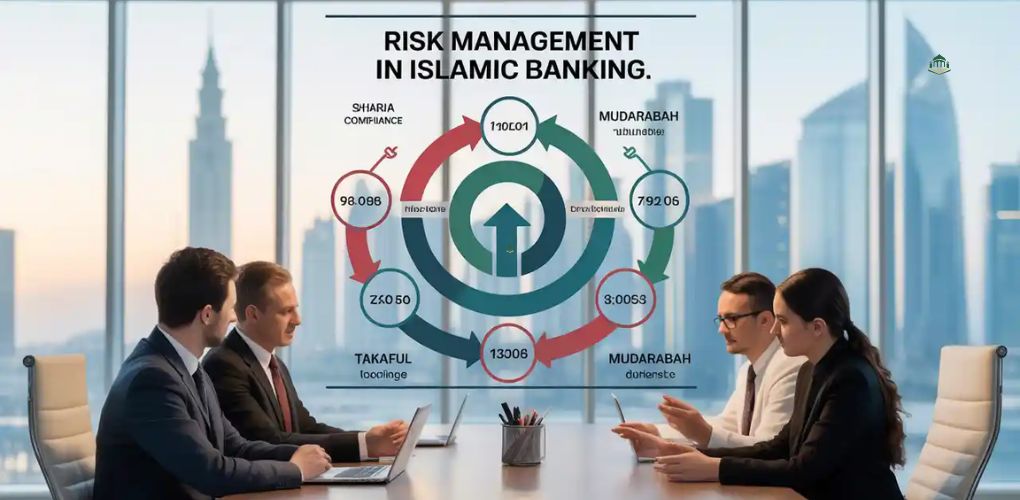
Introduction to Risk Management in Islamic Banking in Nigeria
Risk management in Islamic banking plays a vital role in protecting both institutions and customers while ensuring compliance with Islamic law in banking. Unlike conventional systems, Islamic banks face unique challenges such as Shariah non-compliance risk Nigeria, limited tools for liquidity, and exposure to credit risk in Islamic banking Nigeria through Profit and Loss sharing models.
Effective frameworks help in monitoring and controlling Islamic banking risks, making the industry more resilient and trustworthy. In Nigeria, the growing demand for Shariah-compliant services highlights the need for strong governance and modern approaches. Without robust strategies, financial instability could hinder the progress of Islamic finance.
Importance of Risk Management in Nigerian Islamic Banks
The importance of risk management in Nigerian Islamic banks is linked to survival and growth. Every bank faces risks, but Islamic banks deal with Shariah-compliant banking risks that require special tools. These risks, if unmanaged, can weaken confidence in Nigerian Islamic financial institutions.
Effective monitoring and controlling Islamic banking risks ensures smooth operations. It supports financial stability in Nigerian Islamic banking sector and attracts more customers. Banks that follow strong risk practices also meet global Islamic financial standards Nigeria, giving them credibility in international markets.
Shariah Compliance and Governance in Risk Management
A unique part of Islamic finance is compliance with Islamic law in banking. Banks must avoid Shariah non-compliance risk Nigeria, which occurs if a product or contract breaks Islamic rules. Even a small mistake can damage reputation and cause losses.

Islamic banks risk governance requires active Shariah boards. These boards guide decisions and check contracts. Nigerian banks need supervision of Islamic banking operations in Nigeria to ensure laws are followed. Strong governance protects both investors and the banking system.
Key Types of Risks in Islamic Banking Operations in Nigeria
Islamic banks in Nigeria face many risks. These include credit risk in Islamic banking Nigeria, liquidity risk Islamic banking Nigeria, market risk in Islamic finance Nigeria, operational risk Islamic banks Nigeria, and rate of return risk Islamic products. Each of these has different effects on the system.
Here is a simple comparison:
| Risk Type | Islamic Banking in Nigeria | Conventional Banking in Nigeria |
| Credit Risk | High due to unique risks of Mudharabah and Musharakah | Managed through collateral |
| Liquidity Risk | Limited Shariah-compliant tools | Wider options available |
| Market Risk | Based on asset-backed products | Interest rate fluctuations |
| Operational Risk | Linked to Islamic financial products Nigeria | Linked to systems and staff |
Credit and Liquidity Risk Management in Nigerian Islamic Banks
Profit and Loss Sharing (PLS) financing Nigeria creates credit risk. This is because banks share profits and losses with clients. To manage this, banks must perform due diligence in Shariah-compliant financing before signing contracts.
Liquidity is another issue. Many banks struggle with liquidity risk Islamic banking Nigeria because of a lack of instruments. Nigerian banks need more Islamic bonds and tools to stay liquid. Strong policies help in managing risks in Shariah-compliant instruments and ensuring smooth services.
Legal, Regulatory, and Central Bank Oversight in Nigeria
The Nigerian Central Bank Islamic banking oversight is critical for stability. It sets rules and ensures regulatory framework for Nigerian Islamic finance is enforced. Without oversight, Islamic finance regulatory gaps can harm the system.
Nigeria must adopt a tailored framework for Nigerian Islamic banks like the Islamic Risk-Based Supervisory framework (IRBS Nigeria). This would help in risk-based supervision for Islamic banks and reduce weak practices. It also means aligning Islamic banking with IFSB guidelines for global trust.
Technology, Digital Transformation, and Cybersecurity Risks
Digital growth has changed how banks work. Nigerian banks face cybersecurity risks in online platforms. Hackers can attack systems offering Islamic financial products Nigeria. That is why monitoring and controlling Islamic banking risks must include digital threats.
At the same time, adaptation of global Islamic banking standards in technology is important. Artificial intelligence, blockchain, and mobile banking help, but they bring risks. Nigerian banks must build secure systems and train staff to prevent losses.
Challenges and Risk Mitigation Strategies in Nigerian Islamic Banking
There are many challenges of risk management in Nigeria. These include Islamic finance infrastructure challenges, public awareness of Islamic finance in Nigeria, and shortage of trained staff. Weak laws also limit the ability of banks to compete.
The solution lies in capacity building in Islamic banking Nigeria. More training, better policies, and new instruments are needed. With reforms, Islamic banking awareness in Nigeria will rise, making the sector stronger and more trusted.
Comparison of Risk in Islamic vs Conventional Banks in Nigeria
Islamic and conventional banks deal with risks differently. Conventional banks transfer risk through interest, while Islamic banks use sharing models. This makes Islamic banking more ethical but also riskier.

For example, unique risks of Mudharabah and Musharakah mean Islamic banks may lose money if a project fails. Conventional banks, on the other hand, still earn interest. This difference shows the need for stronger Islamic financial services risk management in Nigeria.
Conclusion: Strengthening Risk Management in Nigeria’s Islamic Banking Sector
The way forward is clear. Nigeria must develop a risk management framework Nigeria that suits local realities. Banks need stronger systems, supervision of Islamic banking operations in Nigeria, and wider products.
By focusing on financial stability in Nigerian Islamic banking sector, Nigeria can grow its market. With a tailored framework for Nigerian Islamic banks, global credibility will follow. Stronger risk control will turn challenges into opportunities for growth.
FAQs
Q1: What is risk management in Islamic banking?
Risk management in Islamic banking is the process of identifying, assessing, and mitigating risks while ensuring compliance with Shariah principles.
Q2: What are the challenges facing Islamic banking in Nigeria?
Key challenges include lack of awareness, limited Shariah-compliant financial products, and regulatory hurdles.
Q3: What are the 4 stages of Shariah risk management?
The four stages are risk identification, risk assessment, risk control, and risk monitoring, all aligned with Shariah guidelines.
Q4: What is Islamic banking in Nigeria?
Islamic banking in Nigeria provides financial services that avoid interest (riba) and follow Shariah-compliant contracts.
Q5: How does risk management benefit Islamic banks in Nigeria?
It helps protect assets, builds customer trust, and ensures long-term financial stability in line with Islamic principles.