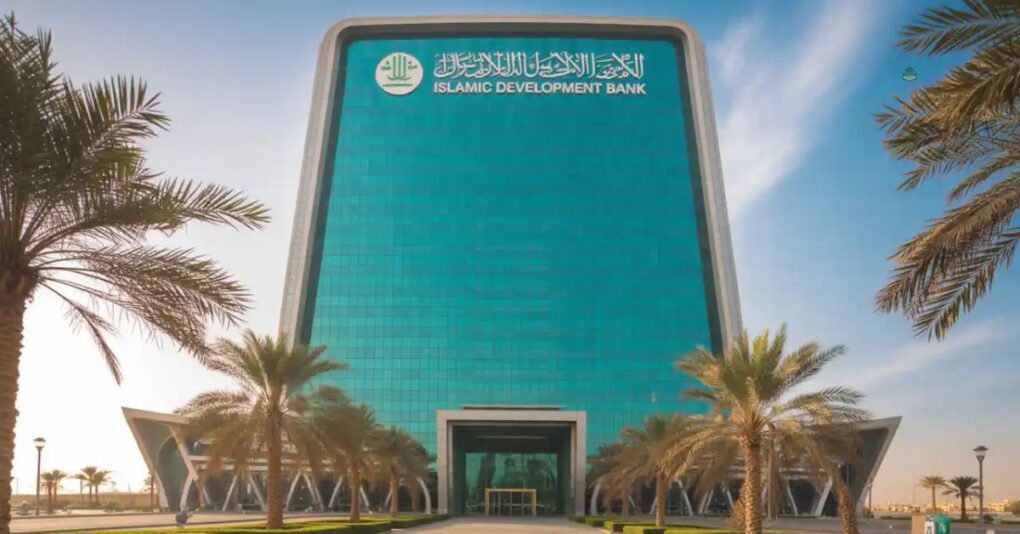
Islamic Development Bank vs Conventional Banks: Nigeria’s Shift to Ethical Finance is more than a trending headline—it marks a powerful transformation in how Nigerians view money and growth. As citizens seek financial systems rooted in fairness and transparency, the Islamic Development Bank (IsDB) emerges as a trusted force for change.
This shift promotes values like community development, equity, and accountability. By supporting ethical banking in Nigeria, IsDB offers real alternatives to traditional institutions. With tools like Riba-free finance, Shariah-compliant finance, and sustainable development finance, it brings hope to underserved areas. Nigerians now turn toward the Islamic economic model for a future that reflects both their values and their vision for progress.
What is the Islamic Development Bank (IsDB)?
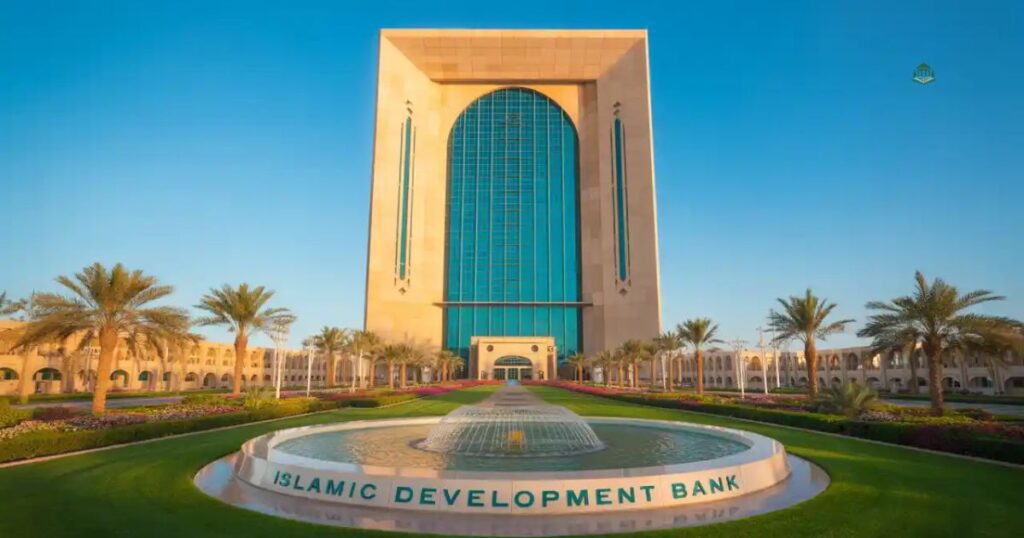
The Islamic Development Bank (IsDB) is a multilateral development bank that provides money and support to help countries grow in a way that matches Islamic values. It is based on the rules of Shariah-compliant finance. This means it avoids interest (riba), gambling, and investments in harmful industries. Instead, it focuses on profit and loss sharing, fair deals, and projects that help people.
Since 1975, IsDB has funded thousands of projects across Africa, Asia, and the Middle East. It is now active in Nigeria too, where its IsDB investment projects are helping communities. As part of its mission, Islamic Development Bank also works with countries to build halal economic development that supports all citizens fairly.
How Do Conventional Banks Operate in Nigeria?
The conventional banking system Nigeria relies mostly on interest-based loans. Banks lend money at a fixed interest rate, and borrowers must pay back more than they borrowed. While this system is widely used, it often creates high debts, especially for poor and middle-class Nigerians.
These banks are regulated by the Central Bank of Nigeria regulations, which aim to control risks and keep the financial system stable. However, critics argue that this system mainly benefits large institutions. It doesn’t support community-based finance Nigeria or ethical lending models. It also doesn’t always match the values of the Nigerian people.
Key Differences between Islamic and Conventional Banking
There are many differences between Islamic and traditional banks. First, Islamic banks operate without charging interest. Instead, they use methods like profit and loss sharing and trade-based contracts. They invest only in ethical businesses. This is why Islamic financial institutions in Nigeria follow Shariah governance frameworks to make sure they stay within halal limits.
Meanwhile, conventional banks are built on charging and earning interest. They can invest in nearly any sector, even if it’s harmful. This system does not prioritize ethics or fair treatment. In contrast, Islamic lending institutions aim to reduce risk, avoid exploitation, and support fair finance.
| Feature | Islamic Banking | Conventional Banking |
| Interest | No (Riba-free finance) | Yes |
| Ethics | Halal banking solutions | Not required |
| Risk Sharing | Yes | No |
| Regulatory Basis | Shariah-compliant finance | Central Bank of Nigeria regulations |
| Community Focus | High | Low |
The Rise of Islamic Finance in Nigeria
Islamic finance Nigeria is growing fast. It started slowly in the 1990s but became more active with the launch of Jaiz Bank Nigeria in 2011. Since then, more Islamic financial institutions in Nigeria have joined the movement. People are starting to see that non-interest banking can offer real and fair options.
This growth is driven by demand for banking alternatives in Nigeria. People want banks that reflect their values. The Central Bank has introduced rules to support this growth. As Islamic banking legislation improves, more Nigerians are choosing Shariah-based options for personal and business needs.
Nigeria’s Relationship with the Islamic Development Bank
Nigeria joined Islamic Development Bank in the 2000s. Since then, this public-private partnership IsDB has brought money, knowledge, and support to Nigeria. The IsDB strategic partnerships focus on areas like health, education, and energy. These projects match Nigeria’s national plans for growth.
The partnership is not just about finance. It is also about long-term values. IsDB helps Nigeria build ethical capital markets and improve its financial literacy in Islamic banking. With every new agreement, Nigeria deepens its role as a leader in ethical banking in Nigeria.
Major IsDB-Funded Projects in Nigeria
There are many IsDB investment projects helping Nigerian communities. Some projects focus on roads and transport. Others support hospitals, schools, and water systems. These efforts are known as IsDB infrastructure funding, and they bring real change to rural and urban areas alike.
One project helped build rural clinics. Another invested in solar power for off-grid communities. These are examples of sustainable development finance at work. And every project follows halal banking solutions to make sure it fits Islamic law and values.
The Role of Sukuk Bonds in Nigeria’s Economy
Nigeria has become a leader in sukuk bonds Nigeria. These are Islamic bonds that fund public projects without using interest. Instead, they use the sukuk issuance process, where investors buy a share in an asset and earn returns from that asset’s profits.
Thanks to strong leadership, Nigeria’s sovereign sukuk Nigeria has grown. These bonds helped build roads, schools, and other public works. The Nigeria Islamic bond market is now a model for other African nations. Sukuk shows how ethical capital markets can help nations grow.
IsDB and Poverty Reduction in Nigeria
IsDB is helping reduce poverty in Nigeria. One way is by supporting Islamic microfinance programs. These programs give small loans to women, farmers, and young people without charging interest. This model of interest-free finance helps people grow small businesses and improve their lives.
There is also a strong social impact of Islamic banking. From training farmers to helping families send their children to school, IsDB projects go beyond banking. They support poverty alleviation through Islamic finance, using smart and fair models that reach the grassroots.
Challenges Facing Islamic Banking Growth in Nigeria
Even with growth, Islamic banking faces problems. Many people don’t fully understand how it works. That’s why Islamic finance training Nigeria is important. Banks need trained staffs who know Shariah governance frameworks and how to explain them.
Another challenge is the lack of proper tools for digital Islamic banking. Most online systems are designed for conventional banks. There’s also a need for better banking alternatives in Nigeria in rural areas, where most people still use cash or informal methods.
The Future of Ethical Finance in Nigeria as a Case Study
The future looks bright. With strong support from IsDB and Nigeria’s own efforts, Islamic finance Nigeria is ready to grow. More banks, better laws, and new tools are coming. And as more people trust in ethical banking in Nigeria, the demand for honest, fair banking will rise.
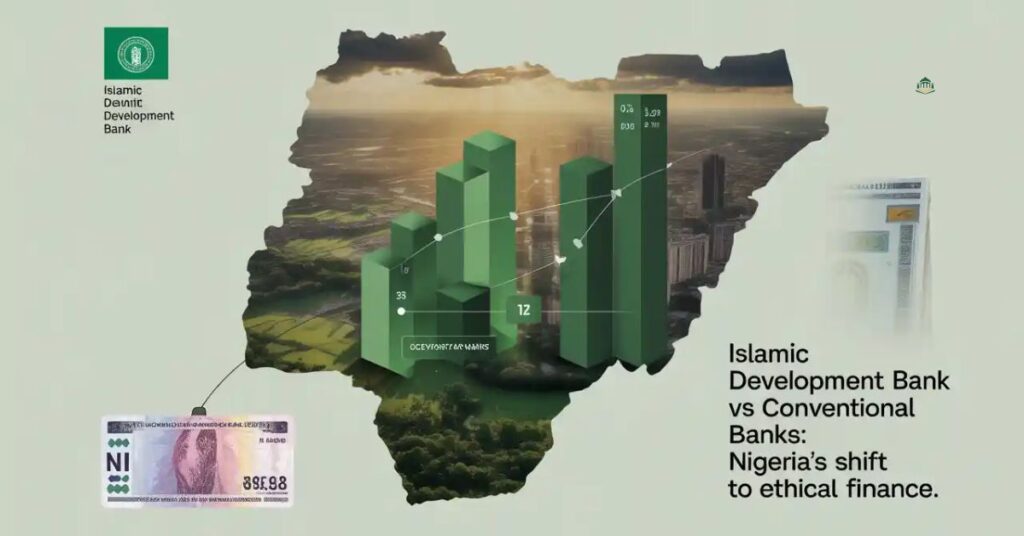
This change is not just a trend. It is a full movement. With IsDB and SDGs (Sustainable Development Goals) in focus, Nigeria may become a leader in halal economic development. As the world watches, Nigeria shows how Islamic economic model banking can work for all.
Why Nigerians Are Turning Toward Ethical Finance
More Nigerians are choosing banks that reflect their values. Islamic finance Nigeria offers them trust, fairness, and opportunity. It’s about more than religion. It’s about what’s right. With strong partners like IsDB, and tools like sukuk bonds Nigeria, the country is building a fairer, stronger financial future. It’s clear that Islamic Development Bank vs Conventional Banks: Nigeria’s Shift to Ethical Finance is not only a timely debate—it’s Nigeria’s new financial story.
FAQS
What are the major challenges of Nigerian public finance?
Nigerian public finance faces challenges like corruption, poor revenue generation, over-reliance on oil, and inefficient budget implementation.
What are the challenges facing the Islamic banking system in Nigeria?
Islamic banking in Nigeria struggles with low awareness, limited regulatory support, and lack of qualified Shariah experts.
What is the impact of Islamic banking in Nigeria?
Islamic banking has improved financial inclusion for Muslims and supported ethical, interest-free financing models.
How does Islamic finance differ from conventional finance?
Islamic finance prohibits interest (riba) and promotes risk-sharing, asset-backed transactions, and ethical investments.
What are the challenges of the Nigerian financial system?
The Nigerian financial system faces instability, low financial literacy, limited access to credit, and weak regulatory enforcement.