Islamic Development Bank is one of the leading multilateral development finance institutions that aim at enhancing development in its member countries by upholding moral principles at zero interest. Since Nigeria became a part of it in 2005, this partnership has triggered a great deal of growth, paying much attention to the development of infrastructure and food security. The bank has granted almost 1.9 billion in funds by aligning itself with the Economic development plan of Nigeria, which is focusing on major areas such as agriculture, health, and energy.
Its non-interest banking Nigeria model also makes it unique such that the investments are asset-backed and socially responsible thereby alleviating poverty in different states. The bank is now a firm partner and it supports local businessmen and fills the gap towards a totally Sharia-compliant financial ecosystem of all Nigerians.
Overview of the Islamic Development Bank and Its Global Mission
The Islamic Development Bank overview starts with its noble goal of fostering social and economic progress across our borders. This institution was founded by OIC member countries to serve as a massive global Islamic finance network. They focus on promoting halal finance worldwide by using a non-riba financial model that protects the vulnerable. Their mission is to alleviate poverty through sustainable development financing while ensuring all transactions remain strictly ethical.
You can think of this bank as a massive partnership with Nigerian government leaders to fix old infrastructure problems. It functions as a Sharia-compliant development goals engine that powers growth in 57 different member nations. By following ethical banking principles, they ensure funds go directly into projects that improve lives. They are on the forefront in halal economy worldwide and ensure that sustainable investment programs touch all parts of the world.
According to the official Islamic Development Bank website, the institution operates across 57 member countries and focuses on sustainable, Sharia-compliant development financing worldwide.
| Core Detail | Fact Sheet |
| Established | 1974 (Saudi Arabia) |
| Philosophy | Ethical investment approach |
| Pillar | Poverty alleviation through projects |
How the Islamic Development Bank Supports Nigeria’s Economic Vision
The Islamic Development Bank in Nigeria perfectly mirrors our national economic goals. This alignment helps the country move toward Vision 2030 Nigeria targets with great speed and confidence. The bank provides infrastructure funding that doesn’t burden the government with impossible and soul-crushing interest rates. Their IsDB investment in Nigeria focuses on creating a stable environment where local businesses can finally breathe.
This IsDB-funded projects strategy creates a long-term economic inclusion plan for all six geopolitical zones in the country. They work on capacity building for Nigerian banks to ensure local experts can manage these large-scale funds. By supporting the national Islamic finance policy, they make the entire financial system more resilient against global shocks. You’ll notice that their development impact Nigeria is visible in better roads and more reliable power grids.
The Rise of Ethical and Non-Interest Banking in Nigeria
A few years ago, hardly anyone talked about halal banking. Today? It’s everywhere. And honestly, that shift says a lot about where Nigerians want their money to go. More people are choosing non-interest banking Nigeria because it feels more transparent, honest, and reliable. Islamic financial institutions like Jaiz Bank Nigeria have paved the way for this huge cultural shift. This Sharia-based banking system ensures that the bank and the customer share both risks and rewards equally.
Explore a complete breakdown of licensed institutions in our detailed guide on List of Islamic Banks in Nigeria (2025 Full Guide) where we explain how each bank operates within the Sharia-compliant framework.
This ethical finance in Africa movement attracts people from all religious backgrounds who want to avoid debt traps. It promotes financial inclusion in Nigeria by bringing the unbanked into a formal and very safe system. The customer trust in Islamic banks grows because these institutions avoid gambling with your hard-earned savings. As halal investment growth continues, more Nigerians are discovering the peace of mind that comes with riba-free banking.
Key Islamic Development Bank Projects in Nigeria
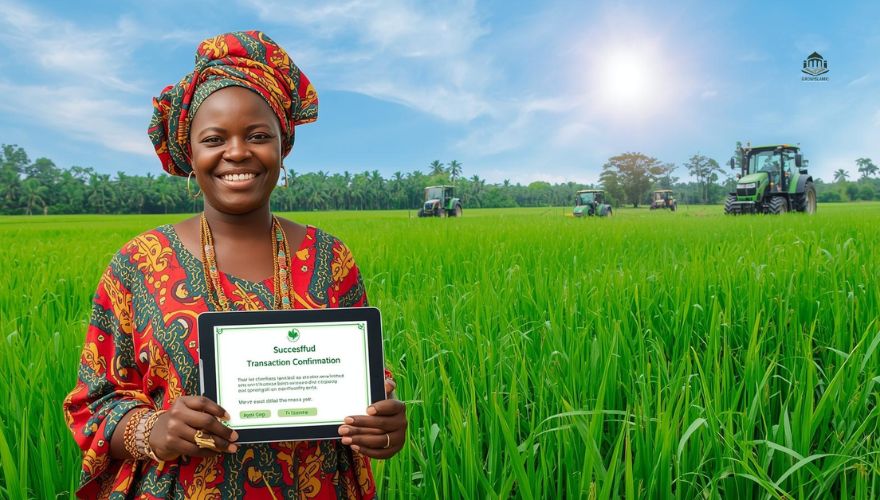
There are many IsDB projects Nigeria currently active that are changing lives in our backyard. The bank has committed billions to agricultural development Nigeria to ensure food security for our families. One major case study is the Special Agro-Industrial Processing Zones (SAPZ), which received a massive $150.52 million in funding recently. This infrastructure investment Africa initiative reduces waste and puts more money directly into the pockets of rural workers.
Beyond farming, the bank is heavily involved in renewable energy infrastructure to solve our national power issues. These renewable energy projects provide clean light to schools and hospitals in remote and rural areas. Education and health financing also take priority with them in order to create a smarter and significantly healthier workforce. They are ensuring even the smallest villages’ gain access to global finance.
Regional Context: Project Spending Across West Africa
When we look at Africa Islamic investment growth, Nigeria stands as a major recipient of support. The Islamic Development Bank is clear when you compare our project volume to our neighbors. Nigeria often receives higher allocations due to its large population and massive infrastructure investment Africa needs. This ensures that the development impact Nigeria experiences helps stabilize the entire West African region.
| West African Country | Estimated Project Portfolio (Total) | Main Focus Area |
| Nigeria | Over $1.8 Billion | Agricultural development Nigeria |
| Senegal | Over $1.1 Billion | Sustainable development financing |
| Côte d’Ivoire | Over $900 Million | Infrastructure funding |
| Mali | Over $750 Million | Education and health financing |
Funding Impact: Active Projects by State
The Islamic Development Bank initiative is putting money where it matters. You can see the IsDB-funded projects making a difference in these specific areas:
- Sokoto State: A $50 million project is currently upgrading healthcare financing and medical education excellence.
- Zamfara State: Over $52.38 million has been allocated to enhance food security and agricultural development Nigeria.
- Yobe State: A recent $50 million approval is helping farmers build more resilient and sustainable investment programs.
- National Energy: The Morocco-Nigeria Gas Pipeline study received $29.75 million to boost renewable energy infrastructure.
- Education: The ACG SmartEd Initiative is unlocking millions in education funding for out-of-school children.
How Islamic Finance is Empowering Nigerian Entrepreneurs
Islamic Development Bank offers a lifeline through SME support programs. Instead of predatory loans, they use small business financing models that focus on true partnership. This halal business funding allows young creators to buy equipment without any fear of compounding debt. By providing funding for small businesses, the bank turns local ideas into thriving national companies.
This focus on entrepreneurship development is the primary engine for youth empowerment Nigeria. Many startups are now looking for an ethical investment for startups that aligns with their personal values. The Islamic microfinance Nigeria sector helps market women and artisans grow their trade significantly. You will find that financial inclusion through Islamic finance is the most effective way to build a middle class.
Partnership between the Islamic Development Bank and the Central Bank of Nigeria
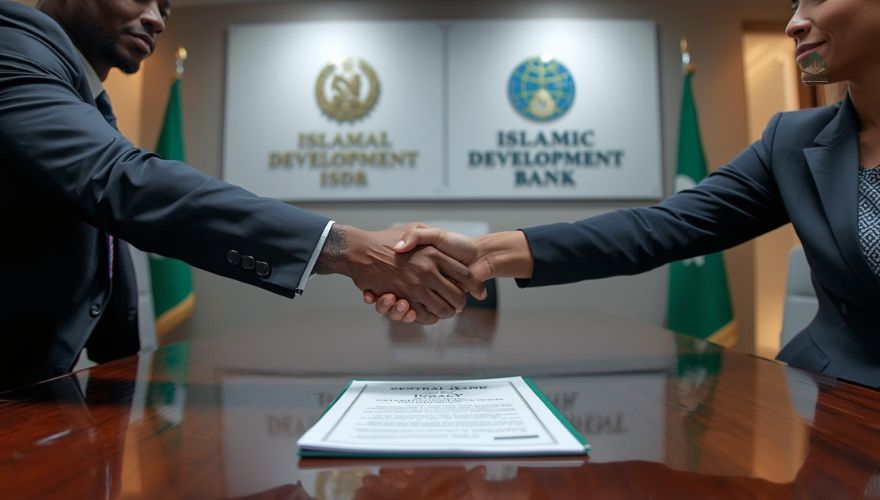
The IsDB collaboration with CBN is essential for maintaining a stable and fair financial market. This CBN partnership Islamic finance ensures that all non-interest financial system rules are followed strictly. They work together on financial policy reforms that encourage more international investors to join our market. This joint Islamic finance initiative makes our banking sector one of the most sophisticated in Africa.
A strong regulatory framework Nigeria is being built to handle these unique and beneficial financial products. The Islamic banking regulation experts ensure that every product is truly Sharia-compliant and safe for you. This partnership also focuses on promoting halal financial literacy so everyone understands their rights. By supporting non-interest institutions, the CBN is making our entire economy more diverse and much stronger.
Islamic Development Bank’s Role in Infrastructure and Social Development
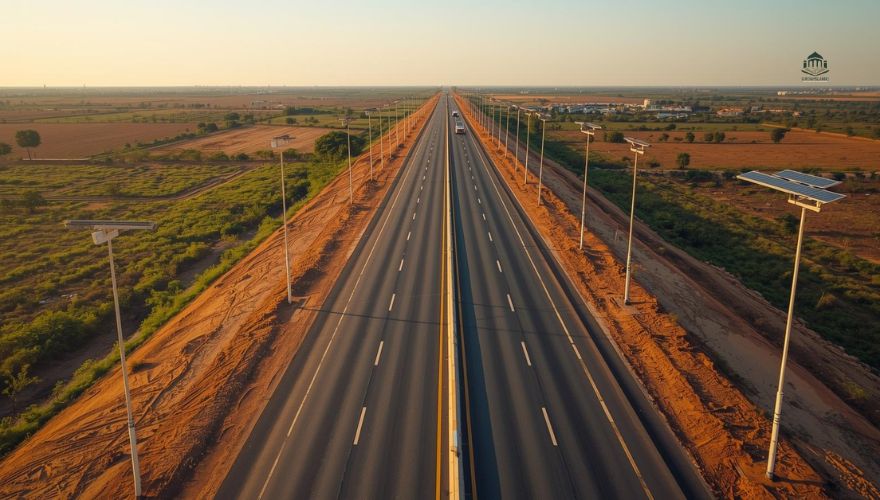
The bank’s contribution to social development projects is a core part of its local Nigerian identity. They provide massive education funding to renovate dilapidated schools and train many new teachers. Their healthcare financing has built modern clinics that provide essential services to mothers and children. These humanitarian impact IsDB efforts ensure that progress is measured by human lives, not just figures.
Their infrastructure funding also extends to digital projects that connect our youth to the world. You see this in renewable energy infrastructure that powers local tech hubs and busy community centers. They are at the forefront in financing sustainable development ensuring that our current growth does not destroy our future. This holistic approach to infrastructure investment Africa creates a society where everyone can finally move forward together.
The Impact of Ethical Finance on Poverty Reduction in Nigeria
Poverty reduction works best when it focuses on inclusive economic development. The Islamic Development Bank provides interest-free funding to families. Their Islamic microfinance businesses offer the small seed of capital to open a life business. They are also ending the cycle of generation poverty in our local communities by empowering the low-income families.
If you want to understand how these financing models work locally, read our in-depth article on Zero Interest Loans in Nigeria (2026 Full Guide), which explains verified government and Islamic bank funding options available today.
The bank also promotes zakat and waqf integration to create a strong social safety net. These Islamic social finance tools ensure that wealth is redistributed to those who need it most. This financial inclusion through Islamic finance ensures that nobody is left behind because they are currently poor. It’s a beautiful community-based finance models system that prioritizes human welfare over corporate greed.
Challenges Facing Islamic Development Bank Operations in Nigeria
Despite the success, there are still some regulatory challenges that slow down our total progress. Many people still have a lack of Islamic finance education, which leads to confusion about these products. There is a significant awareness of Islamic banking gap that the bank is trying to bridge. These market acceptance barriers mean that some people are still afraid to try something new.
We also face policy implementation challenges when trying to sync local laws with international Sharia standards. Sharia compliance issues can sometimes lead to delays in project approvals or local funding cycles. There are also investment limitations in certain sectors that haven’t fully adopted the non-interest model yet. However, by closing financial literacy gaps, the bank is slowly overcoming these hurdles every single day.
Comparing Conventional Banking and Islamic Banking Models in Nigeria
The difference between halal and conventional finance is mostly about how they treat risk and reward. In interest-based vs Sharia-based systems, the former charges you for the time you have the money. In the profit-and-loss sharing model, the bank is actually your partner in the business venture. This ethical investment approach means the bank only wins if you also win in your project.
| Feature Comparison | Conventional Banking | Islamic (Halal) Banking |
| Profit Source | Interest (Riba) | Shared Profit/Loss |
| Risk Handling | Customer bears most risk | Risk is shared fairly |
| Morality | General commerce | Ethical investment approach |
Islamic vs conventional banking is a choice between being a debtor or being a partner. Many prefer the non-riba financial model because it feels more like a community effort. This Sharia-compliant financial institutions approach prevents the bank from making money off your struggles. It’s a fairer way to handle money that protects everyone involved in the long term.
Nigeria’s Path toward a Fully Sharia-Compliant Financial Ecosystem
The Islamic banking ecosystem in Nigeria is maturing very quickly into a global contender. We are seeing more Islamic capital markets Nigeria activity as the government issues new bonds. The green Sukuk opportunities are particularly exciting for investors who care about the environment. This path leads us toward a Sharia-compliant financial institutions network that serves the whole region.
For a broader understanding of how the sector is evolving, see our complete analysis of Islamic Finance in Nigeria, where we discuss regulatory growth, Sukuk expansion, and fintech innovation in detail.
You’ll notice that fintech innovation in Islamic finance is making these tools easier to use. Islamic fintech adoption is high among the youth who want modern apps and ethical rules. This growth is a key part of the Africa Islamic investment growth story we see today. Nigeria is proving that a non-interest financial system can thrive in a very diverse and complex economy.
The Future of Islamic Development Bank and Ethical Finance in Nigeria

The future of Islamic finance looks bright as we embrace digital Islamic banking tools. We expect to see more sustainable finance Nigeria projects that focus on climate change and tech. The Islamic Development Bank will continue to be our lead partner. They are committed to promoting halal financial literacy to every citizen in every state.
“Ethical finance is not just for one group; it is a gift for all of humanity.” — Financial Expert.
Even more opportunities will be experienced in our shores as the world Islamic finance network continues to beckon in the future. We are creating a legacy of a sustainable investment programs that our children will be proud to inherit. This is a long term economic inclusion that is yet to commence. You can contribute to this change by making a better choice of finance that does not contradict your values and your future.
FAQs
What is the Islamic Development Bank mission in Nigeria?
The bank aims to promote sustainable economic growth and social progress through Sharia-compliant financial solutions.
How does non-interest banking differ from conventional models?
Unlike traditional systems, this model prohibits Riba and focuses on a profit-and-loss sharing partnership with customers.
What are the main IsDB-funded projects currently in Nigeria?
Key initiatives include agricultural development Nigeria and massive infrastructure funding for roads and clean energy.
Is Islamic finance only available for the Muslim community?
No, these ethical banking principles are open to all Nigerians seeking inclusive economic growth and transparent finance.
How do interest-free loans help reduce national poverty levels?
They provide interest-free capital that empowers small businesses without the burden of growing debt cycles.
What is the role of the Central Bank of Nigeria in this sector?
The CBN provides the regulatory framework Nigeria to ensure all non-interest financial institutions operate safely.
What is a Sukuk bond in the Nigerian context?
It is a Sharia-compliant investment certificate used by the government to raise funds for infrastructure investment Africa.
Can entrepreneurs get SME support programs from the bank?
Yes, the bank offers halal business funding to help startups scale through an ethical investment approach.
How does the bank support renewable energy infrastructure?
It finances renewable energy projects that provide clean power to rural hospitals and various social development projects.
What is the future of digital Islamic banking in Nigeria?
The future lies in fintech innovation that makes halal investment growth accessible via mobile apps for everyone.