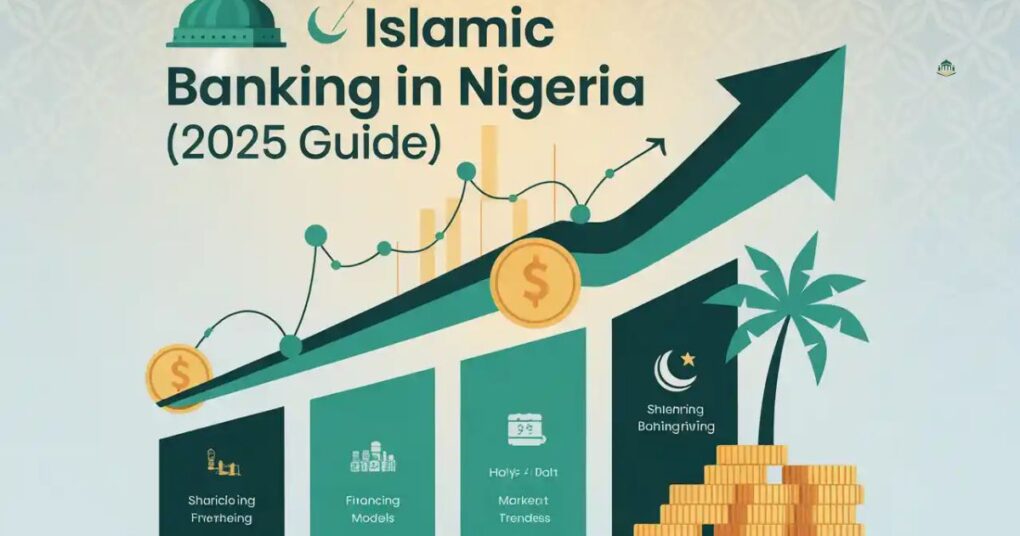
Introduction to Islamic Banking and Its Global Rise
Islamic Banking in Nigeria is expanding rapidly, offering a faith-based alternative to conventional finance. As part of the Global Islamic Finance Industry, it follows Shariah Compliance to ensure all financial dealings are ethical and avoid Riba (Usury/Interest). In 2025, Nigeria is emerging as a regional hub, supported by Islamic Financial Institutions and guided by the CBN (Central Bank of Nigeria) Regulations.
Institutions like Jaiz International Bank and Al-Barakah Microfinance Bank are leading this transformation, promoting inclusive, fair, and non-interest banking. Strategic partnerships and regulatory backing align Nigeria’s Islamic banking sector with global best practices, paving the way for sustained growth and financial inclusion.
Core Principles of Shariah-Compliant Finance
Shariah Compliance is the heart of Islamic Banking. The first rule is that interest, or Riba, is not allowed. Charging or earning interest is unfair in Islam. Instead, Islamic banks use methods like Profit and Loss Sharing to earn money fairly. Two main ways to do this are Mudarabah & Musharakah. These are types of partnerships where banks and customers share the risks and profits.
Another rule is that all investments must be ethical. This means they cannot support gambling, alcohol, or anything harmful. Deals must be clear, honest, and involve real assets. This is called Asset-Backed Financing. To make sure everything is done right, banks follow rules made by the Islamic Financial Services Board (IFSB) and Islamic Accounting & Auditing Standards (AAOIFI). These groups guide banks to stay halal.
Key Products and Services Offered by Islamic Banks
Islamic banks in Nigeria offer many useful services. These include regular bank accounts, savings, and cards. But what makes them different are the Islamic Banking Products. Some popular ones are Murabahah, Ijarah, Sukuk, and Takaful. Murabahah is a type of sale in which the bank purchases an item and then sells it to you at a clearly stated profit. Ijarah is leasing, where you use an asset for rent.
Sukuk (Islamic Bonds) are growing in Nigeria. The government uses them to fund projects like roads and schools. Unlike normal bonds, Sukuk are backed by real assets and do not earn interest. Takaful (Islamic Insurance) is another service, where people pool money to help each other in times of need. Some banks even offer investment services like the Lotus Capital Halal Fund or Ethical Mutual Funds.
Profit-and-Loss Sharing Models: Mudarabah vs Musharakah
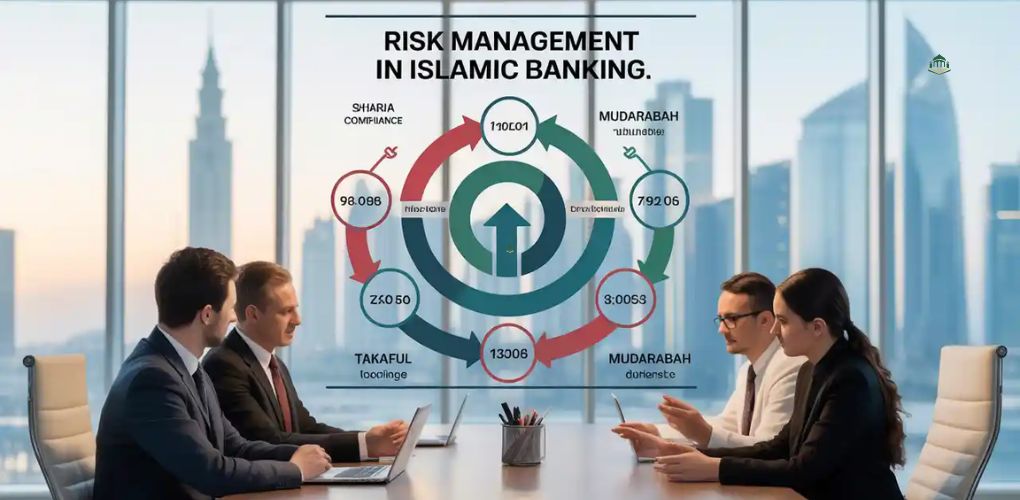
Mudarabah and Musharakah are two important ways that Islamic banks work with customers. In Mudarabah, one person gives the money while the other runs the business. They both agree to share the profits. If there is a loss, only the investor loses money unless there is fraud. This model helps people with good ideas but no capital.
Musharakah is a partnership model in which both parties contribute money or assets to a project. They work together and share profits and losses. This approach is a fair way to do business and keeps both sides involved. These models are very useful for small businesses in Nigeria. Some Islamic Microfinance banks use them to help people in rural areas grow.
Sukuk Bonds and Islamic Financing Tools
Sukuk (Islamic Bonds) are a big success in Nigeria. The government has used them to raise over ₦800 billion for real development. These are not like normal bonds because they don’t pay interest. Instead, they give investors a share in an asset or project. This follows Asset-Backed Financing, a key idea in Islamic Banking.
Other tools include Murabahah, Ijarah, and Istisna. Each has a special use. For example, Istisna is used for building homes or factories. Banks like Jaiz International Bank and Al-Barakah Microfinance Bank use these tools to give people choices that follow their faith. These methods are helping more Nigerians join the formal financial system.
Islamic Banking vs Conventional Banking: What Makes It Different?
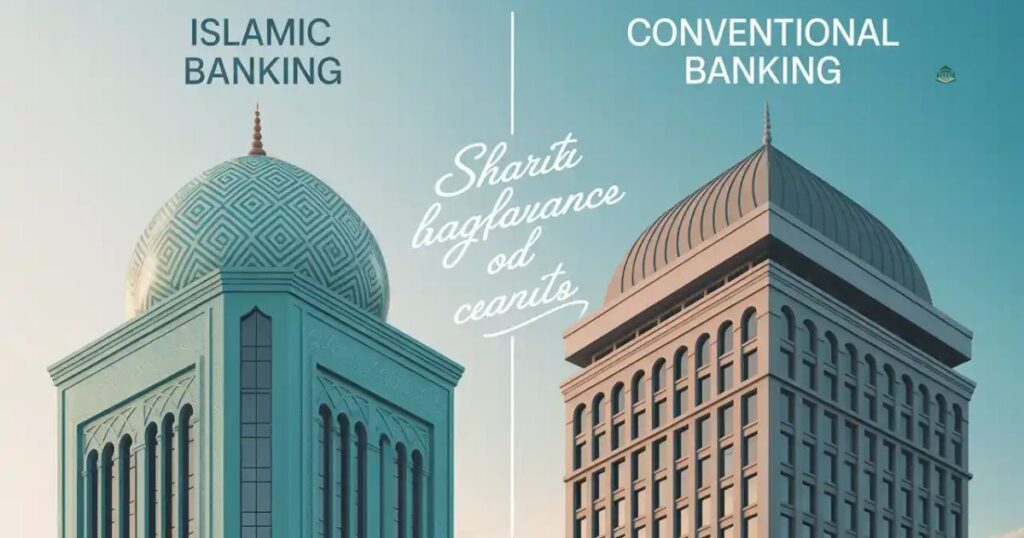
The main difference is that Islamic Banking does not allow Riba (Usury/Interest). In Conventional Banking, loans come with interest, even if the borrower struggles. But in Non-Interest Banking, banks share the risk. This makes the system more just.
Here is a table that shows how they differ:
| Feature | Conventional Banking | Islamic Banking |
| Interest (Riba) | Allowed | Not Allowed |
| Risk | On Borrower | Shared (Profit & Loss) |
| Investment Type | Any | Ethical Investment Only |
| Backing | Often None | Asset-Backed Financing |
| Regulation | Banking Laws | Shariah Compliance |
Islamic Banking in Nigeria: History, Growth & Regulations
The journey commenced in 2012 with the opening of Jaiz International Bank. It was the first full Non-Interest Banking institution in Nigeria. Later came banks like Al-Barakah Microfinance Bank and TAJ Bank. These banks helped build trust with Nigerian Muslims who wanted options that followed Islamic beliefs.
The CBN (Central Bank of Nigeria) Regulations have played a key role. They set rules for licenses and check if banks follow Shariah Compliance. Nigeria also takes guidance from international groups like the Islamic Financial Services Board (IFSB). This helps the country match global standards.
Challenges & Criticisms Facing Islamic Banking in Nigeria
One big challenge is Public Awareness & Education on Islamic Banking. Many people don’t know how it works. Some think it’s only for Muslims, which is not true. Anyone can use these services if they want ethical and fair banking.
Another issue is the lack of trained experts. Banks need more people who understand Islamic Banking Products and rules. Also, Nigeria’s laws were made for conventional banks. So, it takes time to make them work for Shariah Compliance. Still, the future looks bright as more students now study Islamic Banking.
The Role of Zakat and Social Finance in Islamic Banking
Zakat is a key part of Islamic finance. It is a yearly donation from wealth to help the poor. In Nigeria, some Islamic Financial Institutions collect and give Zakat to help reduce poverty. This is a part of Ethical Investment.
Banks also use social finance tools like Qard Hasan, which is a loan given without expecting a return. This helps people in urgent need. Some Islamic Microfinance banks use Zakat to support small traders or farmers. This makes banking not just a business but a way to build society.
Future Outlook of Islamic Banking in Nigeria (2025 & Beyond)
The future of Islamic Banking in Nigeria is full of hope. More banks are opening Islamic Windows, like Bank PHB (Islamic Window Banking). Digital apps now help people open accounts or buy Sukuk easily. There’s growing support for Takaful, and online Ethical Mutual Funds are becoming popular.
Experts say that by 2030, Nigeria could lead West Africa in Non-Interest Banking. The key is to keep teaching people, training workers, and using tech smartly. If these steps are taken, then Nigeria will become a true hub of Shariah-Compliant financial services.
FAQs
- Who started Islamic banking in Nigeria?
Jaiz Bank Plc pioneered Islamic banking in Nigeria, beginning operations in 2012 under CBN approval. - What are the challenges facing Islamic banking in Nigeria?
Key challenges include low public awareness, lack of trained professionals, regulatory gaps, and limited product diversity. - Is Jaiz Bank in Nigeria?
Yes, Jaiz Bank is Nigeria’s first and largest fully-fledged non-interest Islamic bank. - How many Islamic banks operate in Nigeria?
As of 2025, three fully licensed Islamic banks operate in Nigeria: Jaiz Bank, TAJ Bank, and Lotus Bank. - What is the difference between banking and Islamic banking?
Islamic banking forbids riba (interest) and follows Shariah law, while conventional banking charges interest and follows standard financial laws.
Consultation
If you want to use Islamic Banking in Nigeria the right way in 2025, begin by selecting a licensed non-interest bank such as Jaiz International Bank, Al-Barakah Microfinance Bank, or TAJ Bank. Confirm the bank complies with CBN (Central Bank of Nigeria) Regulations and operates under Shariah Compliance with guidance from qualified scholars. Ask about their profit models like Mudarabah & Musharakah, and ensure they avoid Riba (Usury/Interest). Select certified banks or fintech apps that offer services such asbonds, Murabahah financing, or Takaful insurance. If you’re unsure, consult an expert in Islamic Financial Institutions or ethical advisors. This way, you can grow your wealth through asset-backed financing while staying true to your faith and values.