
Introduction to Islamic Finance in Nigeria
Islamic finance in Nigeria is growing fast, offering a halal alternative to conventional banking. Rooted in Islamic law, it avoids riba (interest) and promotes ethical, fair financial dealings. This system is now supported by the Central Bank of Nigeria (CBN) and other regulatory bodies.
Nigerians are showing more interest in Shariah-compliant finance, especially as they seek ethical ways to save, invest, and grow wealth. With the rise of non-interest financial institutions, people now have access to modern banking that aligns with their faith. From Takaful insurance Nigeria to Sukuk issuance Nigeria, the sector is reshaping Nigeria’s financial landscape with trust, transparency, and shared growth.
How Islamic Finance Works: Key Principles (Riba, Gharar, Halal)
Islamic finance regulations Nigeria follow core rules. These include banning riba (interest). Interest is not allowed because it creates unfair profit. Instead, banks use profit and loss sharing models like mudarabah and musharakah. These methods share risk and reward.
Another key rule is avoiding gharar (uncertainty) and maysir (gambling). All contracts must be clear and fair. Halal deals must be free of lies or hidden terms. Financial deals must follow Islamic commercial jurisprudence. Products must follow AAOIFI standards Nigeria, which ensure quality.
The Growth of Islamic Finance in Nigeria (2024 Review + 2025 Outlook)
2024 was a strong year for Shariah-compliant banking governance structure. More Nigerians opened accounts in non-interest financial institutions. Sukuk issuance Nigeria crossed NGN 500 billion. The FGN Roads Sukuk project built over 3,000 km of roads using Nigeria’s sovereign sukuk program.
Looking to 2025, experts see more growth. Financial literacy and awareness in Islamic finance is improving. People now understand halal investment Nigeria options. Economic development through Islamic finance is now a reality. More fintech apps support halal banking. Nigeria may soon lead Islamic financial services in Africa.
Islamic Banking in Nigeria: Institutions & Regulatory Support
Several banks now offer Islamic banking in Nigeria. Jaiz Bank, Taj Bank, and Lotus Bank are popular names. These banks avoid riba and follow Islamic laws. They are guided by Shariah advisory board and meet CBN rules. They also follow the Central Bank licensing process for Islamic banks.
The CBN regulations for specialized banks ensure quality. A new bank needs approval-in-principle CBN and must meet the minimum share capital requirement for non-interest banks. Banks also need a strong Shariah-compliant banking governance structure. This includes a board of scholars and finance experts.
Key Trends Shaping Islamic Finance in 2025
Many changes are shaping halal finance Nigeria in 2025. One big trend is digital banking. People use apps to open accounts or invest in Sukuk. Also, women and youth are leading this growth. More non-interest microfinance bank options are opening in rural areas.
Also, new Shariah-compliant finance products are being launched. These include digital Takaful insurance Nigeria, smart contracts using murabaha, mudarabah, ijara, istisna contracts, and crypto tools that follow investment principles under Islamic law.
Investment Banking vs Islamic Finance: What’s Haram and Why?
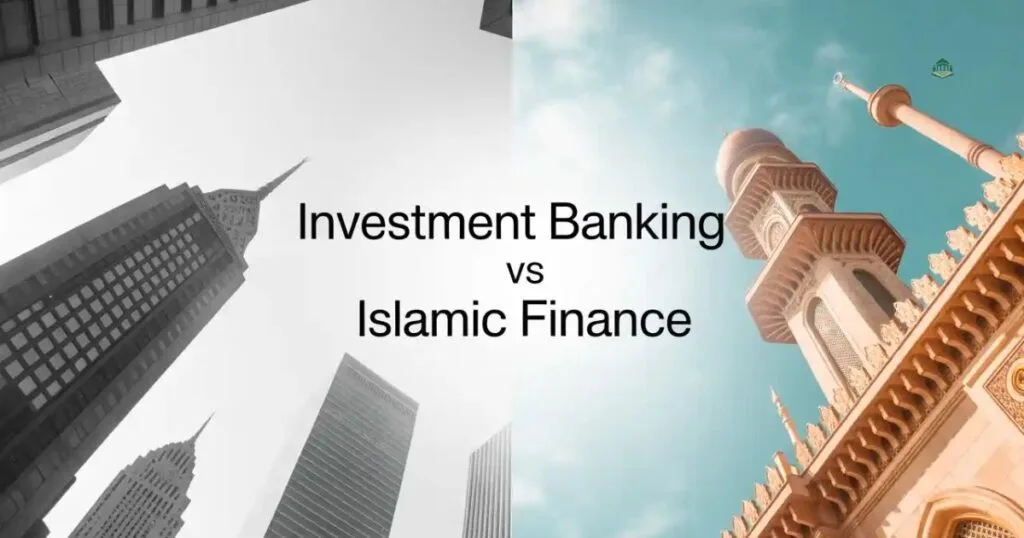
In Islamic finance, people use financial products aligned with Islamic commercial jurisprudence. These are more ethical and fair. Below is a short table comparing both systems:
| Feature | Conventional Banking | Islamic Finance |
| Interest | Allowed | Not allowed (Riba) |
| Risk | Shifted to borrower | Shared (P/L Sharing) |
| Regulation | Global Banking Laws | Shariah Law + ACE Oversight |
| Products | Loans, Credit | Sukuk, Mudarabah, Ijara |
Popular Shariah-Compliant Investment Options in Nigeria
Nigerians now enjoy many halal investment Nigeria options. The most common are NGN Sukuk bonds. These are like normal bonds but follow Islamic rules. Investors earn money from real assets like roads or hospitals.
Also popular are Takaful insurance Nigeria plans. These include family vs general takaful operations. People can also invest in non-interest microfinance bank schemes. Others use mutual funds or murabaha-based real estate investments.
Nigeria’s Islamic Capital Market & Sukuk Development
The Nigerian Islamic capital market is growing fast. The government runs Nigeria’s sovereign sukuk program. Over NGN 800 billion has been raised through Sukuk issuance Nigeria since 2017. These funds build roads, schools, and hospitals.
The SEC Nigeria Sukuk rules are very strict. Only real projects with halal income are allowed. Experts say Nigeria as a hub for Islamic capital markets will grow by 30% in 2025. The future looks bright.
Common Misconceptions About Islamic Finance
Many think Islamic banking in Nigeria is only for Muslims. That is not true. Anyone can benefit from fair, interest-free banking. Some also believe it gives charity, not profit. That’s wrong too. Islamic finance in Nigeria supports real business and investment.
Others think it is old-fashioned or too complex. In reality, it uses modern tools like apps and smart contracts. People often confuse Islamic financial governance with religious donations. But they are very different.
Practical Tips for Nigerians Wanting to Use Islamic Finance

Start by choosing the right bank. Look for one with a competent Shariah advisory board and clear services. Ask about the bank’s scholars, board, and ACE qualification and responsibilities. Read about their profit models and how they avoid non-permissible finance activities.
You should also learn about licensing stages for Islamic microfinance banks and CBN regulations for specialized banks. This helps you avoid scams. Use certified apps, websites, and get advice from trained experts. That way, you can grow your money in a halal and ethical way.
FAQs
· Which bank in Nigeria is an Islamic bank?
Jaiz Bank Plc is Nigeria’s first and leading full-fledged Islamic bank.
· Who started Islamic banking in Nigeria?
Jaiz Bank, launched in 2012, pioneered Islamic banking in Nigeria, backed by the Central Bank of Nigeria (CBN).
· What are the issues and challenges of Islamic finance in Nigeria?
Major challenges include low public awareness, lack of trained professionals, and regulatory constraints.
· List of Islamic banks in Nigeria
- Jaiz Bank Plc
- TAJ Bank Limited
- Lotus Bank Limited
· Islamic finance Nigeria loan
Islamic finance in Nigeria offers interest-free loans using models like murabaha and mudarabah under Shariah-compliant terms.
consultation
If you’re in Nigeria and want to begin using Islamic finance in 2025, start by choosing a certified non-interest bank such as Jaiz Bank, Taj Bank, or Lotus Bank—make sure the bank has a qualified Shariah Advisory Board and operates transparently under CBN regulations. Ask how they generate profit without using riba (interest) and which Islamic finance models they apply, such as mudarabah (profit-sharing), musharakah (joint partnership), or ijara (leasing). Verify that the institution is officially licensed by the Central Bank of Nigeria and holds an Approval-in-Principle for non-interest financial operations. As more digital options become available, only use fintech apps or online platforms that are authorized and Shariah-compliant to avoid scams. For investments, consider halal options like Sukuk bonds, takaful insurance, real estate through murabaha, or ethical microfinance opportunities. Finally, consult Islamic finance experts or qualified advisors to make sure your savings and investments are fully aligned with your faith and financial goals—this helps you grow your money the halal way while avoiding uncertainty, riba, or unethical practices.