
In 2026, more Muslims around the world are turning toward Halal investment options that align with Islamic finance principles and promote ethical wealth growth. These Shariah-compliant investments are not subject to interests (riba) unlike traditional investments, which are subject to the impact of the Islamic laws and values in the application of all financial activities. With interest-free banking and Halal stock trading, Muslims are currently enjoying numerous options to increase their savings without betraying their religion.
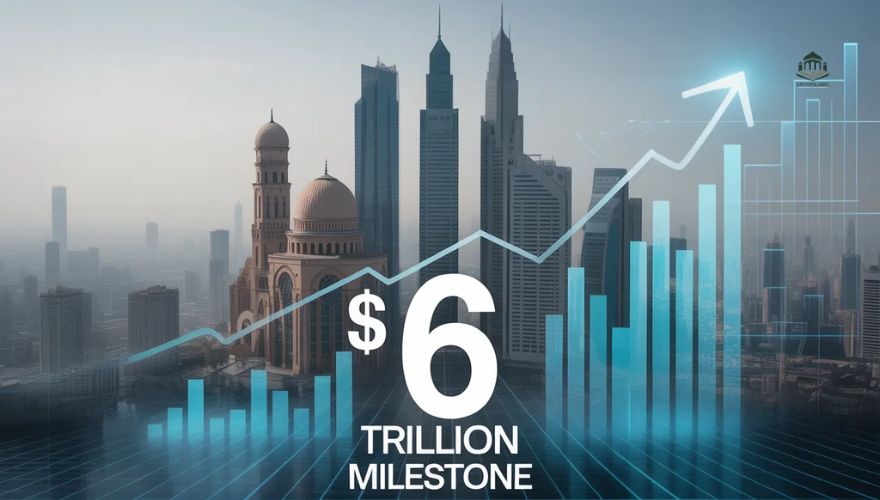
This change in the investment industry of Muslims that takes place worldwide demonstrates the benefits of financial prosperity and spiritual accountability. By 2026, the global Islamic finance market has surpassed a staggering $6.7 trillion in total assets, showing that ethical finance is now a mainstream global force. Halal investment has nothing to do with avoiding haram money, but creating a future that is founded in fairness, justice and actual economic worth.
What Is Halal Investment and Why It Is Important in 2026
A Halal investment is investing in assets and enterprises in compliance with the ethics of investment as specified in the Islamic law. It does not include the practice of riba (interest), gharar (uncertainty), or haram businesses such as alcohol and gambling as well as pork. These Shariah based investments assure you of pure, transparent and fair earnings.
The global halal investment market is at its peak in 2026 because of the increased demand of riba free investments and interest free banking. Islamic Finance News reports that Shariah-based funds have seen a growth rate of 25 percent this year, significantly outperforming many conventional funds. It means that it is time to know what can be considered Shariah-compliant as an investment and how to take advantage of it.
How to Identify a Shariah-Compliant Investment
The most important thing in being able to remain halal knows how Muslims can invest without interest. Enquire whether the company/platform has been certified by Shariah advisory board before investing. In 2026, authentic Islamic fintechs use Real-Time AI Auditing to ensure their profit distribution and debt levels remain within strict Shariah limits.
Below is a quick comparison to understand the difference between halal and conventional investments:
| Feature | Halal Investment (2026) | Conventional Investment |
| Profit Source | Based on trade, rent, or service | Based on interest or speculation |
| Risk | Shared between investor and partner | Often transferred through debt |
| Industries | Ethical and Shariah-approved | May include haram sectors |
| Transparency | High with Shariah audits & AI tracking | Varies by institution |
Top 10 Halal Investment Options for Muslims in 2026
We shall discuss the most viable halal investments in the world that are changing the future of Islamic finance. All these Halal investment options sustain Zakat and ethics of investing, and help you grow in a responsible way.
1. Islamic Savings Accounts (Interest-Free Banking)
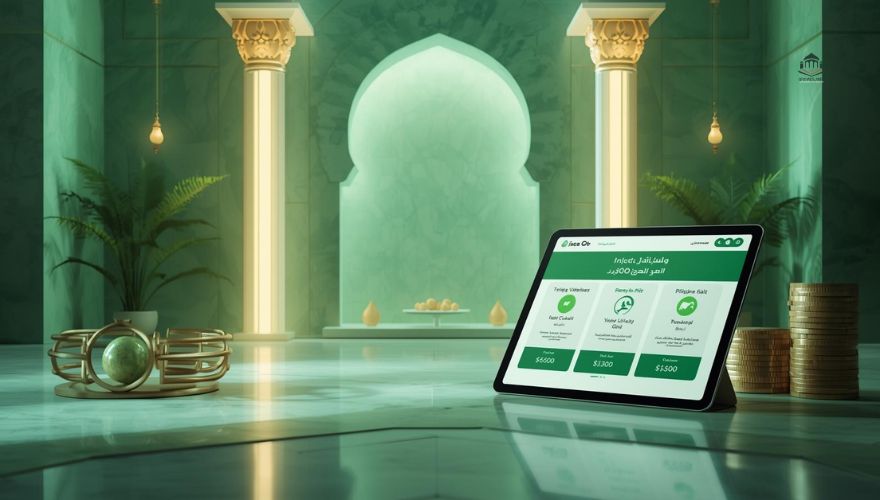
Islamic savings accounts are the most beginner-friendly form of halal investment for Muslims. Instead of paying interest, banks operate on a profit-sharing model (Mudarabah). You share both the profit and risk, keeping your money in a riba-free investment environment.
By 2026, banks such as Dubai Islamic Bank and Bank Islam Malaysia have launched fully digital global accounts, making interest-free banking accessible from anywhere in the world with high-yield profit sharing.
2. Sukuk (Islamic Bonds) – The Stable Backbone
Sukuk bonds are the backbone of Islamic finance. Unlike conventional bonds, Sukuk represent ownership in real assets—not debt. By 2026, the global Sukuk issuance has reached record levels of $300 billion, with a new focus on “Green Sukuk” for eco-friendly infrastructure. To long-term investors, Sukuk offer predictable halal returns and high ethical standards.
3. Halal Stock Market Investments (AI-Filtered)

Is investing in stocks halal or haram? It is halal if you invest in Shariah-approved companies. In 2026, investors use apps like Zoya or Musaffa which use AI to monitor stocks 24/7; ensuring companies don’t exceed the 30% debt threshold. Avoid firms dealing with alcohol, gambling, or interest-based financing.
4. Islamic Mutual Funds and ETFs
Islamic ETFs and Halal mutual funds enable Muslims to access diversified portfolios managed under strict Shariah guidelines. In 2026, funds like SPUS and HLAL have become top performers, allowing investors to participate in the growth of global tech and healthcare sectors while remaining 100% Shariah-compliant.
5. Real Estate Investment via Tokenization
Halal real estate remains a timeless option. Buying property for rent or resale aligns with ethical investments because it’s based on tangible assets. In 2026, Tokenized Real Estate has revolutionized the market, allowing Muslims to buy “digital shares” of a building for as little as $50, making property investment accessible to everyone.
6. Halal Gold and Silver (Digital Bullion)
For centuries, Muslims have turned to gold and silver. These metals possess intrinsic value and are not riba. By 2026, digital gold investment has surged, with platforms offering physical gold backing for every digital purchase, providing a stable hedge against modern market inflation.
7. Islamic Crowdfunding Platforms
Halal crowdfunding is booming through new-age Islamic fintech. Websites like Ethis and Launch Good let Muslims support Shariah-compliant startups and social impact projects. It’s not only a form of halal passive income but also a way to build the global Muslim economy.
8. Halal Crypto & Real World Assets (RWA)
Although digital currencies could be contemplated in the past, by 2026, a variety of Shariah-compliant Asset-Backed Tokens has been developed. They are crypto-assets which are pegged to tangible assets such as gold or residential property which fits the Islamic worldview of utility and value of trade without relying on pure speculation.
9. Islamic Pension and Retirement Plans.
In halal financial planning, planning is done on retirement. There are numerous Shariah-compliant pension plans available in the international funds in 2026. The funds do not invest in interest based securities and concentrate on constant, ethical equities so that your life savings will be halal in your future.
10. Halal Entrepreneurship and Venture capital
Entrepreneurship is among the most promoted avenues in the Muslim religion. The Halal business in AI, education and e-commerce is being developed by the effective Muslim businessmen in 2026. With an investment in your business or Shariah compliant venture capital, you succeed in controlling the ethical conduct and community influence.
Risks and Rewards of Halal Investments in 2026
Every investment carries risk. Market volatility or management changes can impact profits. However, ethical investing according to Islamic law encourages a balance of patience and diversification.
| Halal Investment Type | Potential Return (2026) | Risk Level | Liquidity |
| Islamic Savings | 3.5% – 5% | Very Low | High |
| Sukuk Bonds | 6% – 8% | Low | Moderate |
| Halal Stocks | 12% – 15% | Medium | High |
| Real Estate | 8% – 12% | Medium | Low |
| Gold/Silver | 7% – 10% | Low | High |
Selection of the Best Halal Investment Platforms
In 2026, it is essential to use platforms accredited by Shariah scholars.
| Platform | Type | Region | Best For |
| Wahed Invest | Stocks/ETFs | Global | Beginners |
| Ethis | Crowd funding | Asia/Global | Property/Startups |
| Maybank Islamic | Banking | Global | Safe Savings |
| Zoya | Screening | Global | Stock Analysis |
Final Thoughts: Building Wealth the Halal Way in 2026

Halal investment options for Muslims isn’t just about earning profits—it’s about faith, purpose, and community impact. With the growing Islamic finance trends in 2026, every Muslim has the chance to participate in halal wealth building responsibly. As one scholar beautifully said, “Wealth is not evil when earned with honesty and shared with sincerity.” The key is to stay informed, invest ethically, and continue building your future with Shariah-compliant investments (For Nigerian) that honor both your faith and your financial goals.
FAQs
Which investment is halal in Islam?
Halal investments include Sukuk bonds, Shariah-compliant stocks, Islamic mutual funds, and real estate, as long as they avoid interest (riba) and haram industries.
Which trading is completely halal?
Spot trading in stocks of companies that are ethically and Shariah-screened is halal. Speculative day trading or gambling-like behavior is discouraged.
Is Bitcoin halal in 2026?
Many scholars term Bitcoin halal when used as a medium of exchange or utility provided it is traded transparently. However, purely speculative “meme coins” are often avoided.
Is investing in real estate halal?
Yes, real estate is inherently halal as it is based on tangible assets. Financing must be done through Islamic banks to avoid riba.
Are mutual funds halal?
Only Islamic mutual funds that are Shariah-validated are halal. They ensure that no money is invested in conventional banks, alcohol, or gambling.